Commercial construction projects move at a pace that leaves little room for equipment mismatches, contractor miscommunication, or site preparation delays that push a schedule back by weeks. The excavation phase sets the foundation for everything that follows, and choosing the right contractor with the right capabilities makes a measurable difference in how the rest of the project unfolds. Project managers evaluating excavating solutions for hotels, apartment buildings, schools, gas stations, and similar commercial work in Northern Nevada need to look beyond price and availability to find a team that brings the right equipment, compliance knowledge, and site experience to the job. Dirt-Tech serves the Reno, Tahoe, Carson City, Gardnerville, Minden, and Incline Village markets with excavation, grading, land clearing, underground utilities, and site preparation capabilities built for the demands of commercial construction.
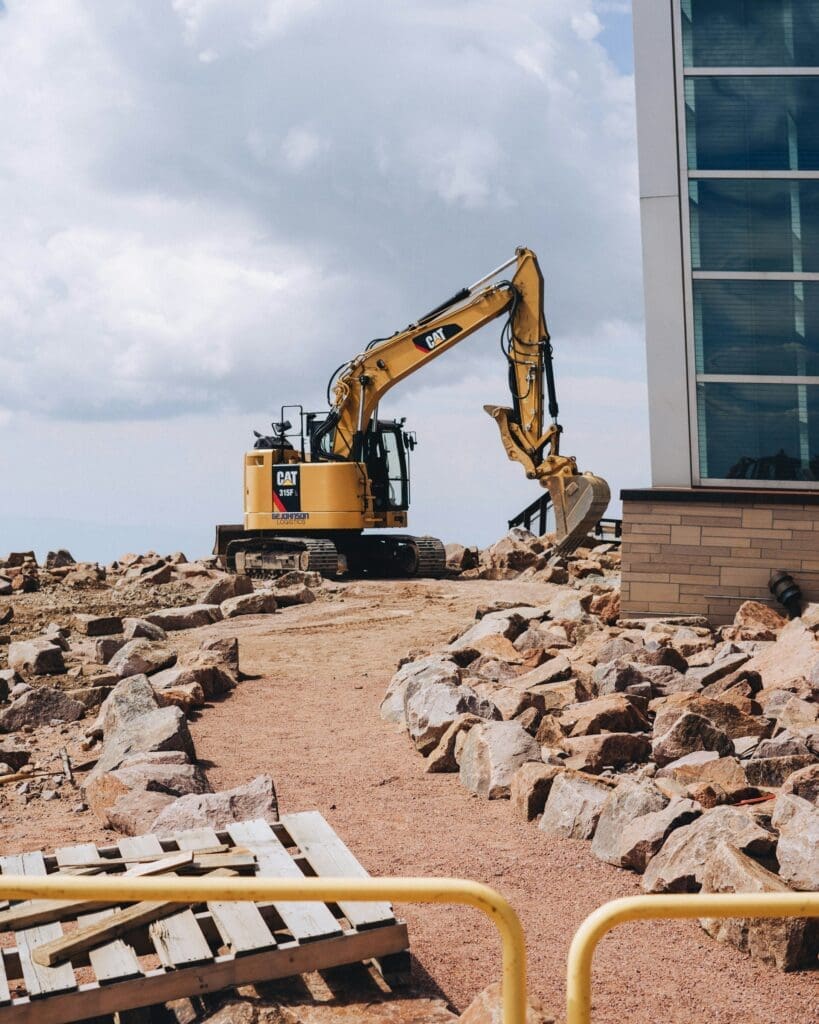
Grading and excavation tolerances on commercial construction projects are tighter than most property owners realize, and achieving those tolerances consistently depends heavily on the equipment being used and how it is operated. GPS-guided excavation equipment uses real-time positioning data to guide the machine operator through cuts and fills with a level of accuracy that manual grade checking cannot reliably replicate across a large site. The system compares the machine's current position against the design surface continuously, which allows the operator to work more efficiently and with fewer passes to reach the target grade. That precision translates directly into reduced material waste, less rework, and a finished site that meets the engineering plan rather than approximating it.
On commercial sites where multiple scopes of work follow the excavation phase, the accuracy of the grading work affects downstream contractors. A foundation crew that arrives to a site where the pad elevation is off by several inches faces a problem that takes time and money to correct before their work can begin. Utility contractors installing underground systems depend on accurate trench elevations to maintain the required slope for drainage and gravity-flow lines. Dirt-Tech uses GPS-guided equipment specifically because the precision it delivers reduces the chance that an excavation error becomes a problem that the next trade has to absorb.
The efficiency gains from GPS-guided excavation also affect project timelines in ways that matter to construction managers working against a delivery schedule. Fewer passes to reach design grade means the machine spends less time on the site, which reduces equipment hours and the fuel and labor costs that come with them. It also frees up the site for subsequent work sooner, which creates schedule buffer that project teams can use when other phases face delays. For commercial excavating solutions in Northern Nevada where tight schedules are the norm rather than the exception, that efficiency advantage is a practical reason to prioritize contractors who operate with GPS-guided equipment rather than those who rely entirely on manual methods.
Underground utilities present one of the most consistent safety and schedule risks in commercial excavation, particularly on sites in established areas where existing utility infrastructure may not be mapped with complete accuracy. Traditional mechanical excavation near known or suspected utility locations carries a real risk of striking a line, which can result in service disruptions, costly repairs, project delays, and serious safety consequences for workers on site. Hydro excavation addresses this risk by using pressurized water to break up soil and a vacuum system to remove the spoil, exposing underground utilities without the mechanical contact that causes damage. The method gives the excavation crew a clear view of what is in the ground before mechanical equipment moves into the area.
The practical application of hydro excavation extends beyond simple utility exposure. Potholing to verify utility depths and locations before a trench is opened gives the project team accurate information that improves both safety planning and excavation efficiency. In areas where multiple utilities share a corridor, hydro excavation allows each line to be located and marked before the trench is cut, which reduces the risk of a secondary strike after the first utility has been found. Commercial projects that involve significant underground utility installation or relocation benefit from incorporating hydro excavation into the site plan rather than treating it as a reactive tool brought in only when a conflict is suspected.
Dirt-Tech includes hydro excavation as part of its excavating solutions for commercial work in Northern Nevada, which reflects a practical approach to utility safety rather than a minimum-compliance posture. Construction managers evaluating contractors for projects near existing infrastructure should ask directly about hydro excavation capability and how the contractor plans to handle utility exposure during the excavation phase. A contractor who has a clear, process-driven answer to that question demonstrates the kind of operational thinking that reduces risk on a commercial site. The cost of incorporating hydro excavation into the site plan is consistently lower than the cost of repairing a struck utility or managing the schedule impact of an unplanned service outage.
Permit requirements for commercial excavation in Northern Nevada involve multiple agencies depending on the project location, scope, and proximity to environmental features. Grading permits, utility permits, encroachment permits for work near public roads, and stormwater compliance documentation all need to be in place before certain phases of the excavation work can begin. A contractor who understands the local permitting landscape and has an established process for preparing and submitting applications reduces the administrative burden on the project manager and avoids the delays that come from incomplete or incorrect submissions. That local knowledge is one of the less visible but genuinely valuable things an experienced regional contractor brings to a commercial excavation project.
OSHA compliance on excavation and trenching operations is non-negotiable, and the specific requirements around shoring, sloping, protective systems, and competent person oversight are detailed enough that gaps in compliance create both safety risk and regulatory exposure for the project. Trench cave-ins are among the most serious hazards in construction, and OSHA's excavation standards exist specifically to address a history of serious incidents in this category of work. A commercial excavation contractor who treats OSHA compliance as a core operational standard rather than an external imposition runs a safer site, which reduces the likelihood of work stoppages, citations, and the associated schedule and budget impacts. Construction managers who ask about a contractor's safety record and compliance practices before awarding excavation work are protecting both their project and the workers on site.
Coordinating the excavation scope with other trades requires the kind of schedule management that keeps a commercial project moving without gaps or conflicts between crews. The excavation contractor often works ahead of utility installers, foundation crews, and paving contractors, which means delays in the excavation phase ripple forward through the entire project schedule. Dirt-Tech approaches commercial excavating solutions with attention to trade coordination so that the site is ready for the next scope when that crew arrives rather than requiring additional wait time. For construction managers managing multiple subcontractors against a single delivery date, that kind of coordination discipline is as valuable as technical capability.
Site preparation for a commercial construction project typically spans one to three months from initial clearing through completed utility rough-in and final grading, though the actual duration depends on site size, soil conditions, permit timing, and project complexity. Breaking that timeline down into phases helps project managers build a realistic schedule and identify where the critical path runs through the excavation and site work. Clearing and demolition of existing improvements comes first, followed by rough grading to establish the general site shape, then excavation for foundations and utilities, and finally fine grading and compaction to bring the site to design elevation. Each phase has its own dependencies, and delays in any one of them affect the phases that follow.
Northern Nevada's soil conditions add a variable that project managers should account for when building site preparation timelines for the region. Reno-area soils range from sandy alluvial material that moves easily to dense, rocky ground that requires more time and specialized equipment to excavate effectively. Sites in hillside or foothill areas may encounter rock at shallow depths that affects both the excavation method and the timeline for completing the foundation work. Contractors with direct experience in Northern Nevada terrain bring realistic expectations to the pre-construction planning conversation rather than offering timelines based on more favorable soil assumptions.
Drainage planning during the site preparation phase affects both construction-period erosion control and the long-term performance of the finished site. Swales, retention features, and proper site grading that directs runoff away from structures and utility installations need to be incorporated into the grading plan rather than addressed as an afterthought after the bulk of the excavation is complete. Stormwater management requirements in Northern Nevada apply during construction as well as after project completion, which means the excavation contractor needs to implement erosion and sediment control measures as the site is disturbed. Dirt-Tech incorporates drainage and erosion control into its commercial site preparation work as part of a complete approach to excavating solutions rather than treating them as separate line items.
Commercial construction projects in Northern Nevada depend on excavation contractors who bring the right equipment, safety practices, compliance knowledge, and site experience to every phase of the work. GPS-guided grading, hydro excavation for utility safety, permit and OSHA compliance management, and realistic site preparation timelines all contribute to a project that stays on schedule and avoids the kind of field problems that push costs higher and completion dates further out. Dirt-Tech provides excavating solutions for commercial projects across Reno, Tahoe, Carson City, Gardnerville, Minden, Incline Village, and the surrounding Northern Nevada region. Construction managers ready to discuss an upcoming project can reach out to Dirt-Tech for a site assessment and a straightforward conversation about what the excavation scope requires.
