Many Northern Nevada property owners discover the importance of a properly installed septic system only after they have already committed to a piece of land. Whether the property sits in an unincorporated area of Washoe County, a rural stretch of Douglas County, or somewhere farther east in Churchill or Humboldt County, the reality is the same: if a municipal sewer connection is not available, a functioning on-site sewage disposal system is not optional. Understanding what the installation process involves, what local regulations require, and how to maintain the system once it is in the ground helps property owners make informed decisions from the start. Dirt-Tech serves the Reno area and surrounding Northern Nevada communities with the experience and local knowledge that septic projects in this region demand.
Septic regulations in Northern Nevada vary by county, but the underlying framework is consistent across jurisdictions. Properties that cannot connect to a municipal sewer system require a permitted on-site sewage disposal system, formally referred to as an OSDS in Washoe County and as an Individual Sewage Disposal System in several central Nevada counties including Churchill, Eureka, Mineral, and Pershing. Humboldt County requires both a well and a sewage disposal system for any property used as a residence that sits outside a municipal service area. Douglas County manages its own septic regulations separately, and property owners in that area work through the county's own permitting and review process.
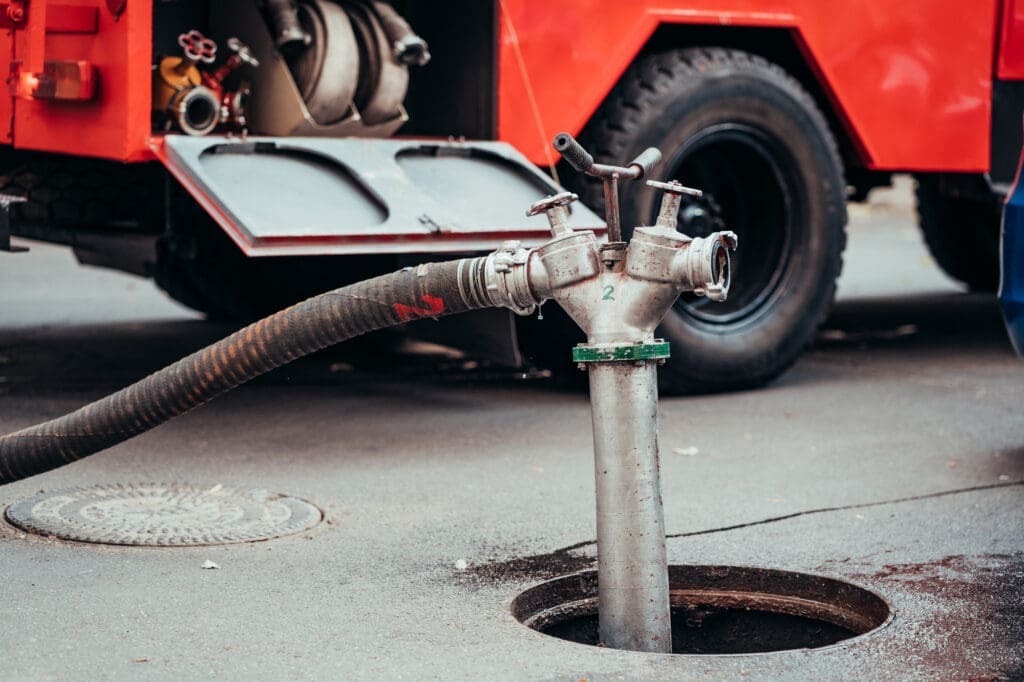
The permitting requirement applies not only to new installations but also to replacements and repairs of existing systems. In Washoe County, permit applications go through Northern Nevada Public Health, which oversees the review and approval process for OSDS projects across the county. System design must be completed by a Nevada-licensed engineer working in accordance with state regulations under NRS 445A, which means the design phase involves professional engineering input rather than a simple contractor sketch. New installations also require a designated, undeveloped repair area to be identified and protected as part of the approved design, which affects how the overall site gets planned.
Setback requirements add another layer to the site planning process that property owners need to understand before a system gets designed. Septic tanks typically require a minimum distance of ten feet from the house, and additional setbacks apply to wells, property lines, and drainage features depending on the jurisdiction and the specific site conditions. Searching for septic system installation near me in Northern Nevada should lead property owners toward contractors who understand these local requirements rather than those who apply generic standards that may not satisfy the reviewing agency. Dirt-Tech works within the regulatory frameworks that apply across Northern Nevada so that permit applications are prepared correctly and projects move through the approval process without unnecessary delays.
A septic installation project begins with a site evaluation that examines soil conditions, topography, available space, and proximity to water sources and structures. Soil percolation testing and sometimes soil profile evaluations inform the engineer's design by establishing how the native soil handles effluent at the specific location. Properties with slow-draining soils, high groundwater, or limited usable area may require alternative system designs that address those site constraints. That site-specific analysis is what separates a properly designed system from one that gets installed without enough information about what the ground will actually support.
Once the engineering design is complete and the permit is approved, the physical installation begins with excavation for the tank and the leach field or disposal area. Tank placement, depth, and orientation all follow the approved design, and inspections at key stages confirm that the installation matches what was submitted and approved. The leach field layout requires careful attention to grade, distribution, and coverage so that effluent disperses through the soil as the system design intends. A properly installed system performs reliably for decades when the installation follows the approved design and the property owner maintains it appropriately over time.
Anyone searching for septic system installation near me in the Reno area or across Northern Nevada benefits from working with a contractor who handles both the excavation and the coordination with local agencies rather than leaving the property owner to manage those relationships independently. Dirt-Tech brings the field experience and local regulatory familiarity that Northern Nevada septic projects require, from initial site assessment through final inspection and system completion. The permitting and design process can feel complicated for first-time septic owners, and having a contractor who understands what each agency needs makes the experience considerably more manageable. Getting the installation right from the beginning is far less costly than addressing failures or compliance issues after the system is already in the ground.
A septic system that receives proper care performs reliably and avoids the premature failures that result from neglect or misuse. The most fundamental maintenance practice is regular pumping of the septic tank, which should happen every two to three years under normal household use or sooner if solids and scum accumulate beyond one-third of the liquid depth of the tank. When a tank goes too long without pumping, solids move into the leach field and cause clogging that leads to system failure. Replacing a leach field costs significantly more than routine pumping, which makes the maintenance schedule a straightforward investment in the system's longevity.
Water use habits affect septic system performance in ways that many homeowners do not initially anticipate. Spreading laundry loads across the week rather than running multiple loads in a single day reduces the surge of water that enters the system at one time, which gives the tank adequate time to process effluent before it moves toward the disposal area. Low-flow fixtures including toilets, showerheads, and dishwashers reduce the total volume of water entering the system over time, and some households can reduce annual water input by tens of thousands of gallons through fixture upgrades alone. Front-loading washing machines also use less water than top-loading models, which makes them a practical choice for households on septic systems.
What goes into a septic system matters as much as how much water enters it. Garbage disposals significantly increase the accumulation of solids in the tank and introduce grease and insoluble materials that accelerate clogging in the leach field. Items like paper towels, wipes, feminine hygiene products, cigarette butts, and similar materials do not break down in the tank and should never enter the system through any drain. Kitchen grease deserves particular attention because it does not break down easily in a septic environment and can seal off the disposal area over time, which leads to the kind of field failure that requires expensive remediation.
Household chemicals, water softener backwash, and excessive use of antibacterial soaps can all affect the bacterial activity inside a septic tank that makes the system function properly. The tank relies on naturally occurring bacteria to break down solids, and introducing large quantities of bleach, harsh cleaners, or chemical additives disrupts that biological process. Water conditioning backwash from softeners, purifiers, and similar equipment should not discharge into the septic system and is better directed to a separate disposal point away from the leach field and any nearby well. Hot tub and jacuzzi discharges carry similar concerns and should be routed away from the septic system entirely.
Septic tank additives marketed as beneficial to system performance are generally unnecessary and in some cases can cause more harm than good. A properly functioning system contains sufficient naturally occurring bacteria from normal household waste, and introducing commercial additives does not improve performance and may destabilize the tank environment. Some additives cause solids to become suspended and move into the leach field prematurely, which accelerates clogging and can lead to early system failure. Keeping the system free of non-biodegradable materials and maintaining a regular pumping schedule accomplishes more than any additive can.
Drainage from roofs, gutters, and surface water should always be directed away from the leach field rather than toward it. Excess water entering the disposal area from outside the system saturates the soil and reduces its ability to process effluent, which can push the system toward failure even when the tank and distribution components are functioning correctly. Trees with aggressive root systems planted near the leach field can infiltrate and clog distribution lines over time, so maintaining a clear, undeveloped zone around the disposal area protects the system's long-term performance. Keeping a record of where all system components are located helps future service providers and avoids accidental damage during landscaping or other site work.
Septic system installation in Northern Nevada involves regulatory requirements, site-specific design, and installation work that benefit from a contractor who understands the local landscape and the agency processes that govern the work. Proper maintenance after installation protects the investment and extends the useful life of the system well beyond what neglect would allow. For property owners in the Reno area and across Northern Nevada who are searching for septic system installation near me, Dirt-Tech provides the field experience and practical knowledge that these projects require. Reaching out to discuss your property, the applicable local requirements, and what the installation process involves is the right first step toward a system that performs reliably for the long term.
Commercial construction projects move at a pace that leaves little room for equipment mismatches, contractor miscommunication, or site preparation delays that push a schedule back by weeks. The excavation phase sets the foundation for everything that follows, and choosing the right contractor with the right capabilities makes a measurable difference in how the rest of the project unfolds. Project managers evaluating excavating solutions for hotels, apartment buildings, schools, gas stations, and similar commercial work in Northern Nevada need to look beyond price and availability to find a team that brings the right equipment, compliance knowledge, and site experience to the job. Dirt-Tech serves the Reno, Tahoe, Carson City, Gardnerville, Minden, and Incline Village markets with excavation, grading, land clearing, underground utilities, and site preparation capabilities built for the demands of commercial construction.
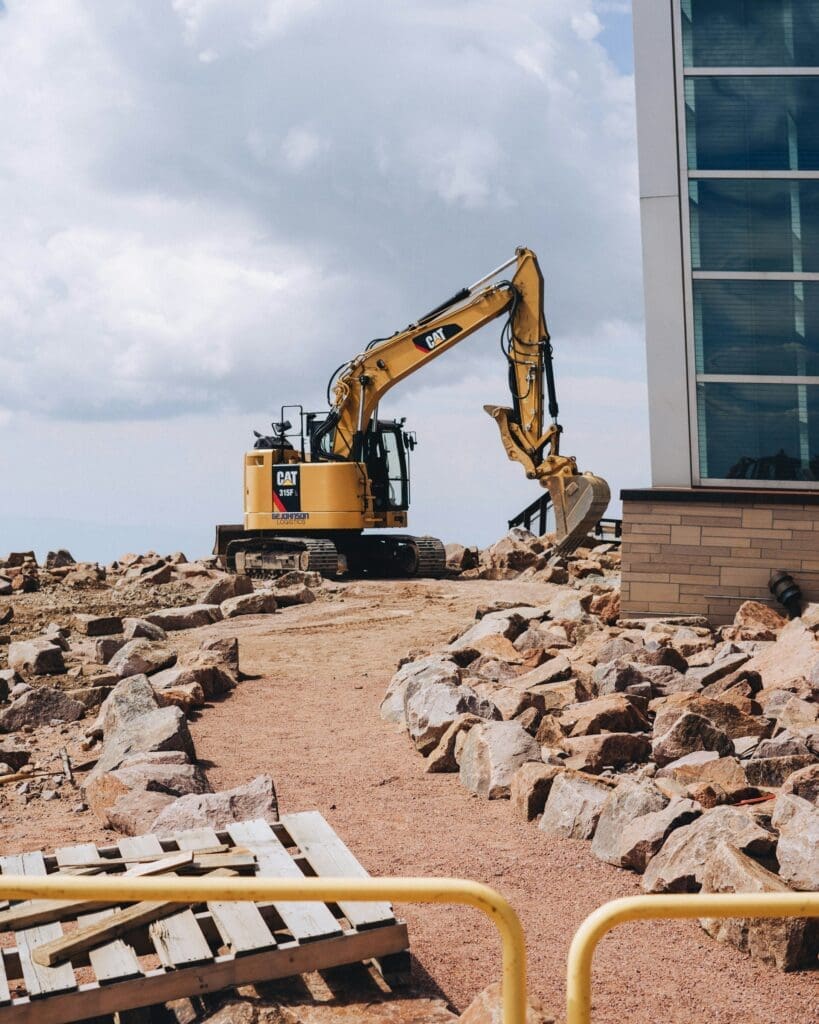
Grading and excavation tolerances on commercial construction projects are tighter than most property owners realize, and achieving those tolerances consistently depends heavily on the equipment being used and how it is operated. GPS-guided excavation equipment uses real-time positioning data to guide the machine operator through cuts and fills with a level of accuracy that manual grade checking cannot reliably replicate across a large site. The system compares the machine's current position against the design surface continuously, which allows the operator to work more efficiently and with fewer passes to reach the target grade. That precision translates directly into reduced material waste, less rework, and a finished site that meets the engineering plan rather than approximating it.
On commercial sites where multiple scopes of work follow the excavation phase, the accuracy of the grading work affects downstream contractors. A foundation crew that arrives to a site where the pad elevation is off by several inches faces a problem that takes time and money to correct before their work can begin. Utility contractors installing underground systems depend on accurate trench elevations to maintain the required slope for drainage and gravity-flow lines. Dirt-Tech uses GPS-guided equipment specifically because the precision it delivers reduces the chance that an excavation error becomes a problem that the next trade has to absorb.
The efficiency gains from GPS-guided excavation also affect project timelines in ways that matter to construction managers working against a delivery schedule. Fewer passes to reach design grade means the machine spends less time on the site, which reduces equipment hours and the fuel and labor costs that come with them. It also frees up the site for subsequent work sooner, which creates schedule buffer that project teams can use when other phases face delays. For commercial excavating solutions in Northern Nevada where tight schedules are the norm rather than the exception, that efficiency advantage is a practical reason to prioritize contractors who operate with GPS-guided equipment rather than those who rely entirely on manual methods.
Underground utilities present one of the most consistent safety and schedule risks in commercial excavation, particularly on sites in established areas where existing utility infrastructure may not be mapped with complete accuracy. Traditional mechanical excavation near known or suspected utility locations carries a real risk of striking a line, which can result in service disruptions, costly repairs, project delays, and serious safety consequences for workers on site. Hydro excavation addresses this risk by using pressurized water to break up soil and a vacuum system to remove the spoil, exposing underground utilities without the mechanical contact that causes damage. The method gives the excavation crew a clear view of what is in the ground before mechanical equipment moves into the area.
The practical application of hydro excavation extends beyond simple utility exposure. Potholing to verify utility depths and locations before a trench is opened gives the project team accurate information that improves both safety planning and excavation efficiency. In areas where multiple utilities share a corridor, hydro excavation allows each line to be located and marked before the trench is cut, which reduces the risk of a secondary strike after the first utility has been found. Commercial projects that involve significant underground utility installation or relocation benefit from incorporating hydro excavation into the site plan rather than treating it as a reactive tool brought in only when a conflict is suspected.
Dirt-Tech includes hydro excavation as part of its excavating solutions for commercial work in Northern Nevada, which reflects a practical approach to utility safety rather than a minimum-compliance posture. Construction managers evaluating contractors for projects near existing infrastructure should ask directly about hydro excavation capability and how the contractor plans to handle utility exposure during the excavation phase. A contractor who has a clear, process-driven answer to that question demonstrates the kind of operational thinking that reduces risk on a commercial site. The cost of incorporating hydro excavation into the site plan is consistently lower than the cost of repairing a struck utility or managing the schedule impact of an unplanned service outage.
Permit requirements for commercial excavation in Northern Nevada involve multiple agencies depending on the project location, scope, and proximity to environmental features. Grading permits, utility permits, encroachment permits for work near public roads, and stormwater compliance documentation all need to be in place before certain phases of the excavation work can begin. A contractor who understands the local permitting landscape and has an established process for preparing and submitting applications reduces the administrative burden on the project manager and avoids the delays that come from incomplete or incorrect submissions. That local knowledge is one of the less visible but genuinely valuable things an experienced regional contractor brings to a commercial excavation project.
OSHA compliance on excavation and trenching operations is non-negotiable, and the specific requirements around shoring, sloping, protective systems, and competent person oversight are detailed enough that gaps in compliance create both safety risk and regulatory exposure for the project. Trench cave-ins are among the most serious hazards in construction, and OSHA's excavation standards exist specifically to address a history of serious incidents in this category of work. A commercial excavation contractor who treats OSHA compliance as a core operational standard rather than an external imposition runs a safer site, which reduces the likelihood of work stoppages, citations, and the associated schedule and budget impacts. Construction managers who ask about a contractor's safety record and compliance practices before awarding excavation work are protecting both their project and the workers on site.
Coordinating the excavation scope with other trades requires the kind of schedule management that keeps a commercial project moving without gaps or conflicts between crews. The excavation contractor often works ahead of utility installers, foundation crews, and paving contractors, which means delays in the excavation phase ripple forward through the entire project schedule. Dirt-Tech approaches commercial excavating solutions with attention to trade coordination so that the site is ready for the next scope when that crew arrives rather than requiring additional wait time. For construction managers managing multiple subcontractors against a single delivery date, that kind of coordination discipline is as valuable as technical capability.
Site preparation for a commercial construction project typically spans one to three months from initial clearing through completed utility rough-in and final grading, though the actual duration depends on site size, soil conditions, permit timing, and project complexity. Breaking that timeline down into phases helps project managers build a realistic schedule and identify where the critical path runs through the excavation and site work. Clearing and demolition of existing improvements comes first, followed by rough grading to establish the general site shape, then excavation for foundations and utilities, and finally fine grading and compaction to bring the site to design elevation. Each phase has its own dependencies, and delays in any one of them affect the phases that follow.
Northern Nevada's soil conditions add a variable that project managers should account for when building site preparation timelines for the region. Reno-area soils range from sandy alluvial material that moves easily to dense, rocky ground that requires more time and specialized equipment to excavate effectively. Sites in hillside or foothill areas may encounter rock at shallow depths that affects both the excavation method and the timeline for completing the foundation work. Contractors with direct experience in Northern Nevada terrain bring realistic expectations to the pre-construction planning conversation rather than offering timelines based on more favorable soil assumptions.
Drainage planning during the site preparation phase affects both construction-period erosion control and the long-term performance of the finished site. Swales, retention features, and proper site grading that directs runoff away from structures and utility installations need to be incorporated into the grading plan rather than addressed as an afterthought after the bulk of the excavation is complete. Stormwater management requirements in Northern Nevada apply during construction as well as after project completion, which means the excavation contractor needs to implement erosion and sediment control measures as the site is disturbed. Dirt-Tech incorporates drainage and erosion control into its commercial site preparation work as part of a complete approach to excavating solutions rather than treating them as separate line items.
Commercial construction projects in Northern Nevada depend on excavation contractors who bring the right equipment, safety practices, compliance knowledge, and site experience to every phase of the work. GPS-guided grading, hydro excavation for utility safety, permit and OSHA compliance management, and realistic site preparation timelines all contribute to a project that stays on schedule and avoids the kind of field problems that push costs higher and completion dates further out. Dirt-Tech provides excavating solutions for commercial projects across Reno, Tahoe, Carson City, Gardnerville, Minden, Incline Village, and the surrounding Northern Nevada region. Construction managers ready to discuss an upcoming project can reach out to Dirt-Tech for a site assessment and a straightforward conversation about what the excavation scope requires.
